Bio-indicator plants course
· 9:00 am to 5:00 pm
A new edition of our course on bio-indicator plants, in collaboration with Aum Vegetalis.
Aim of the day
Soil analyses are essential for knowing your land and adapting how you grow. They can be a significant cost when starting a project. Studying bio-indicator plants lets you follow how a soil changes without going to a laboratory. It can also be a real advantage when visiting land you are thinking of buying to set up, where having every plot analysed would be too expensive.
Unlike phytosociology, diagnosing soil through bio-indicator plants works perfectly well on worked and disturbed soils, such as those found in crop fields and private gardens.
Who is it for?
- Keen amateur gardeners and nature lovers
- Market gardeners and farmers
- Bioengineers
- Landscapers and permaculture designers
- Naturalists
For amateurs and naturalists, this course helps them understand the soil in their garden and the soils they come across on walks in nature.
For market gardeners, farmers, landscapers and permaculture designers, this course teaches how to read the soil and which actions to take before intervening.
For bioengineers, this course complements training in soil humus analysis.
The course in practice
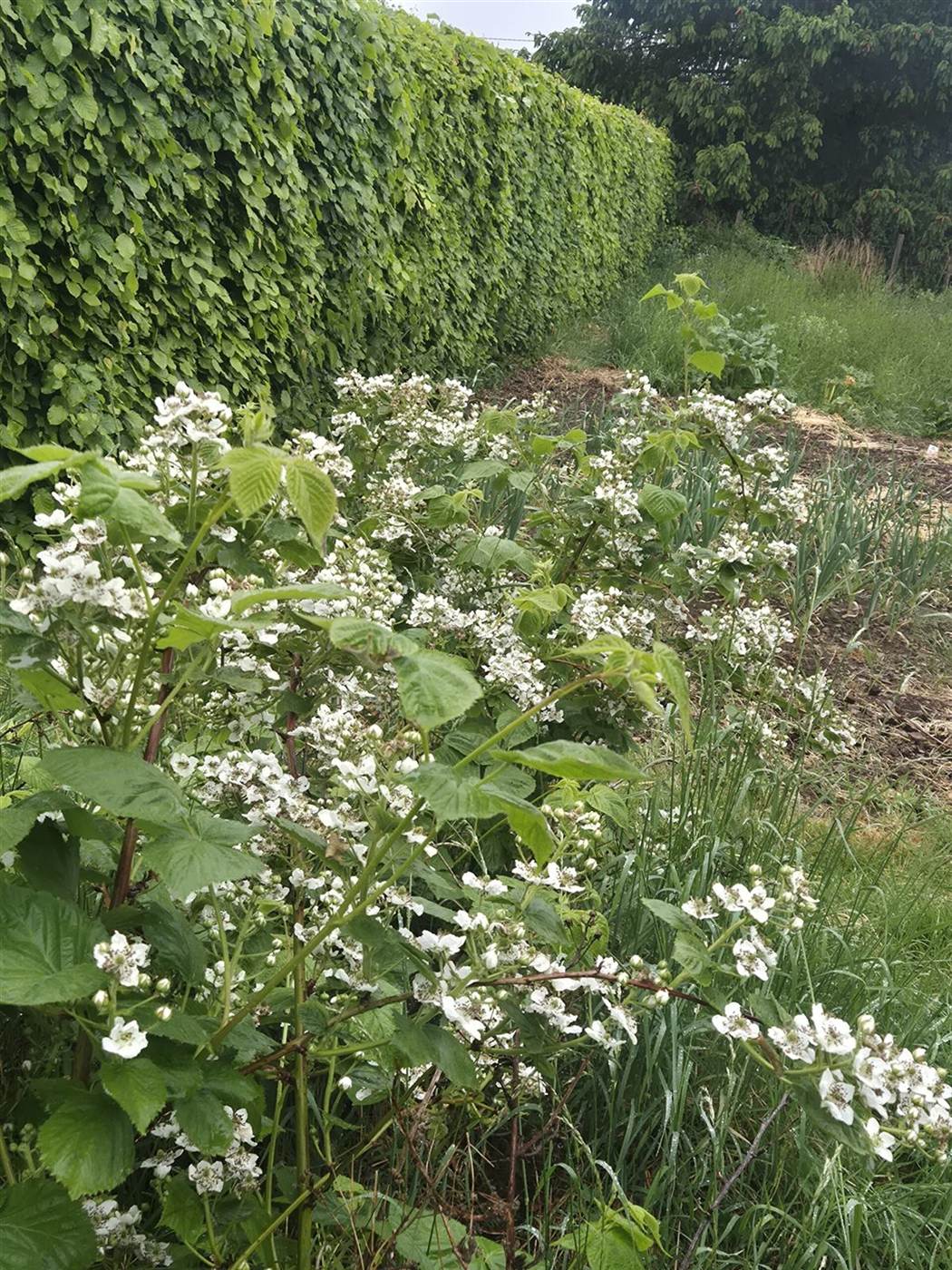
This course will cover bio-indicator plants in a market-gardening setting and along a gradient of grazed, mown and abandoned meadows, within one hectare at Au Vert de Terre. How to recognise the most common wild plants in Belgium and France will be shown in the field.
Prerequisites
No prior knowledge is needed for this course.
What to bring (optional)
- A magnifying glass
- A botanical field guide
- A notebook
Bring a packed lunch and a water bottle; a small treat will be provided, along with coffee or herbal tea.